


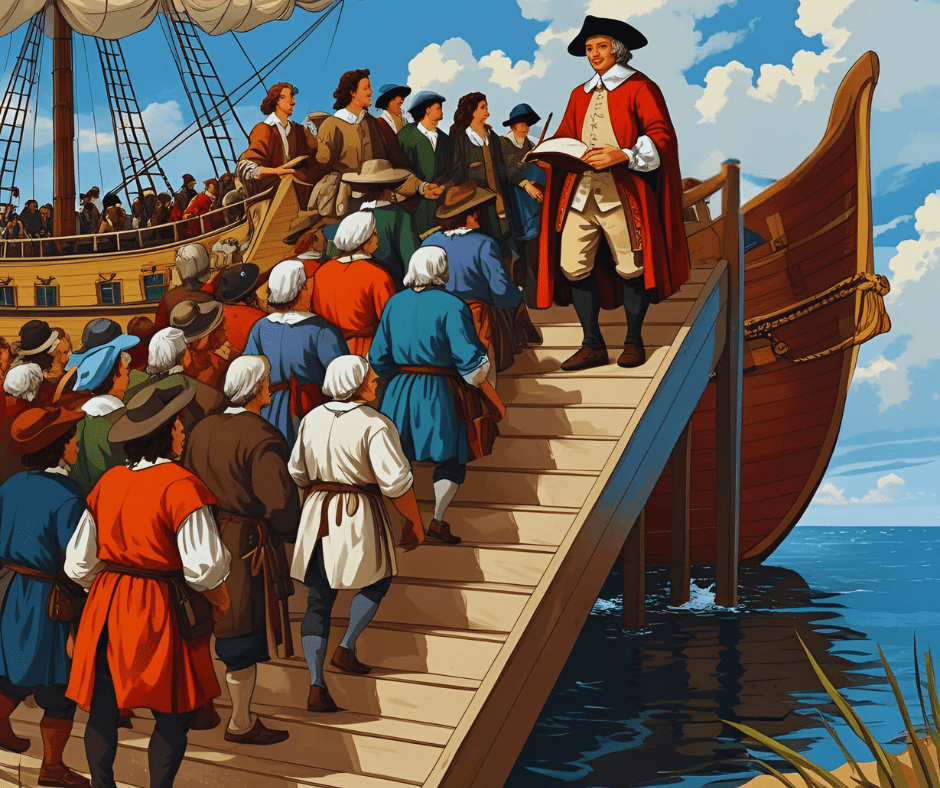
For millions of families, the story of immigration is central to their heritage. Whether arriving in Boston, New York, Galveston, or San Francisco, immigrants in the 18th, 19th, and early 20th centuries often appear in ship manifest records—detailed lists of passengers that serve as invaluable tools for genealogists today.
What Are Ship Manifests?
A ship manifest (or passenger list) is an official record created when ships left or arrived at a port. Originally, these records were intended for customs, immigration control, and safety. Today, they provide genealogists with a paper trail of ancestral journeys.
Key details often included:
- Passenger’s full name (sometimes with variations)
- Age and gender
- Occupation or trade
- Country of origin or last residence
- Destination in the new country
- Ship name and departure/arrival dates
- Traveling companions (family or neighbors)
The Evolution of Passenger Lists
- Before 1820 (U.S.) – Lists were sparse and inconsistent. Some colonial records survive, but they often lack detail.
- 1820–1891 – The U.S. government required passenger manifests, leading to more uniform records. Information included names, ages, occupations, and departure points.
- 1891–1924 – With the rise of Ellis Island and other federal immigration stations, manifests became more detailed, recording physical descriptions, literacy, and intended U.S. contacts.
- Post-1924 – Immigration quotas led to even more detailed records, including visa numbers and naturalization plans.
What Genealogists Can Discover
- Family groups – Who traveled together? Were children listed with parents?
- Chain migration patterns – A relative may appear traveling with a neighbor or cousin, showing community ties.
- Name variations – Spelling differences or anglicized names can explain later records.
- Hometowns and villages – Some manifests list specific places of last residence.
- Contacts in America – Later records often asked for the name and address of a relative already in the U.S., helping genealogists trace connections.
Famous Examples: Ellis Island and Beyond
- Ellis Island (1892–1954) – Over 12 million immigrants passed through New York Harbor. Digitized manifests are now searchable online at Ellis Island’s database and other genealogy platforms.
- Castle Garden (1855–1890) – Preceding Ellis Island, Castle Garden in Manhattan handled millions of arrivals, with surviving records now available digitally.
- Other Ports – Don’t overlook records from Boston, Philadelphia, Baltimore, New Orleans, and San Francisco, which welcomed countless immigrants.
Tips for Using Ship Manifest Records in Research
- Search with name variations – Be flexible with spellings; clerks often wrote phonetically.
- Use age ranges – Ages may be approximate, so search within a 5-year window.
- Cross-check with census records – Arrival years listed in census schedules can help narrow down manifests.
- Look for entire households – Scan nearby names; friends, cousins, or fellow villagers often traveled together.
- Follow the paper trail – Manifests can lead to naturalization papers, passports, or alien registration forms.
Why Ship Manifests Matter
Ship manifests are more than lists—they are snapshots of life-changing journeys. Each entry represents a person leaving behind a homeland, facing uncertainty, and stepping into a new world. For genealogists, these documents connect us not just to names and dates, but to the lived experience of migration that shaped families for generations.
When you find your ancestor’s name on a ship manifest, it’s more than a record—it’s the moment they set foot on a path that ultimately led to you. Exploring passenger lists offers both genealogical facts and powerful personal connections to your family’s immigrant story.
Research Tips Across Platforms
- Search broadly first. Spelling variations are common, especially for non-English names.
- Use arrival year ranges. Census data can help estimate immigration years to narrow results.
- Look for whole families. Children might be listed under a parent’s name, or traveling separately.
- Pay attention to marginal notes. Later annotations (like naturalization numbers) can connect to more records.
- Save images, not just transcripts. Transcribers sometimes misread handwritten letters—your eye may catch what they missed.
 South Central Chapter, Association of Professional Genealogists