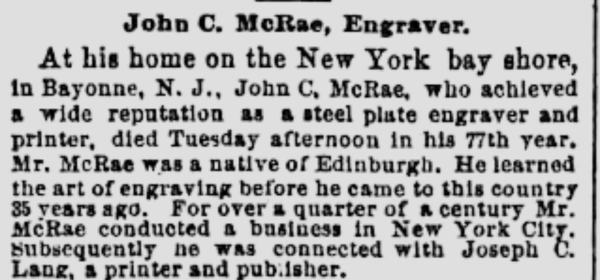
For genealogists, few sources capture the personal side of history like obituaries. By the 19th century, as newspapers flourished across Europe and North America, obituaries


Blog Posting
For genealogists, few sources capture the personal side of history like obituaries. By the 19th century, as newspapers flourished across Europe and North America, obituaries
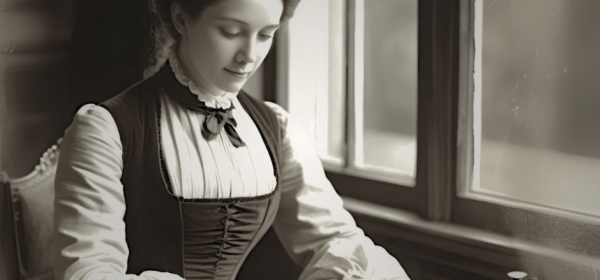
By the 19th century, handwriting underwent another shift. The 1800s introduced styles that were more practical, uniform, and widely taught. For genealogists, this means documents
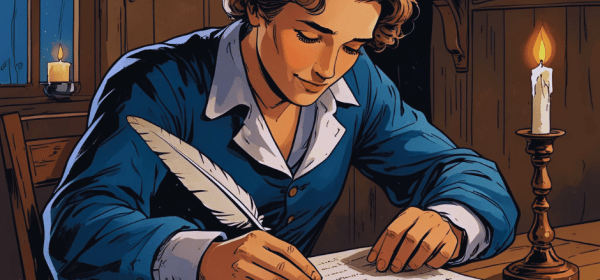
By the 18th century, handwriting began to take on a style that is more recognizable to modern readers. Compared to the angular secretary hand of

When diving into records from the 1600s, researchers often encounter an unexpected hurdle: handwriting. The 17th century was a transitional era in writing styles, when

For genealogists and historians, old manuscripts are often the richest sources of family history, but reading them can feel like learning a new language. Handwriting

For many genealogists, handwritten records are a portal to the past. From parish registers to census rolls, handwritten sources are often the only surviving evidence

