

Want to write about a topic?
Email submissions to: apgsouthcentralchapter@gmail.com
-
Locality Guides – April 28th – 6:30pm
Your Personal Tour: Creating a Locality Guide
April 28 @ 6:30 pm CT
Lisa Medina will be in-person, presenting
Your Personal Tour: Creating a Locality Guide. Yarborough Branch Austin Library and hybrid.Register -
Summer Camp
Join SCC members on a summer adventure.
May – August
3rd Tuesday at 7pm
Once a month participants will examine an article, design a short locality guide, create a
research log and author a very short proof.Participants who will be given certificates of completion and an APG water bottle ($35)
Schedule
April 21st – Introduction to article and camp
April 28th – Locality Guide Webinar
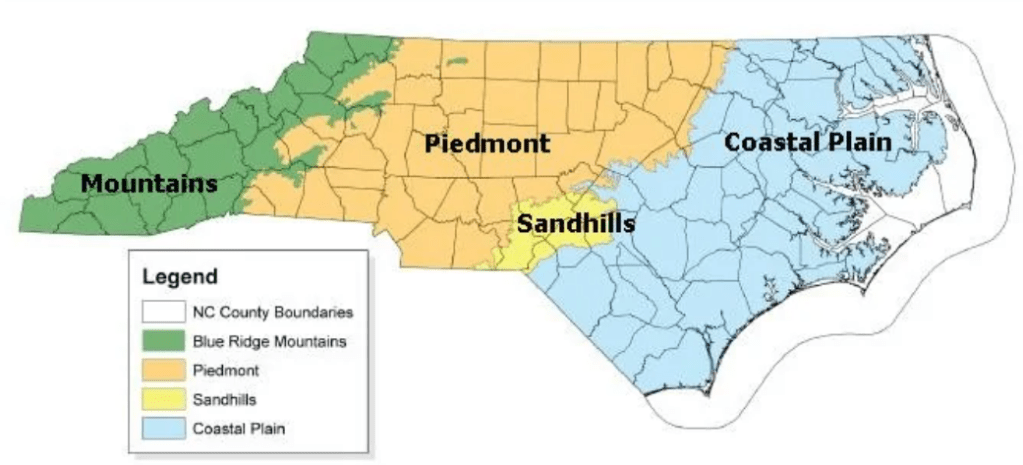
May 19th – Create a Locality Guide based on Piedmont Region of North Carolina
June 16th – Research question and Log
July 21st – Proof Sketch
August 18th – Proof Summary

17th Century 18th Century. Accreditation ai ancestry artificial-intelligence Certification chatgpt citation citations Continuing Education dna Education family family-history genealogy genetic genealogy GRIVA handwriting history igg Indentured indentured-servitude Lineage Societies manifest manuscripts news newspapers obituary research Research Institutes Salvery SAR ship manifest slavery societies technology Texas
-

Citing Online Obituaries
Evidence Explained-style (web page) Deceased’s Name, obituary, Website/Publisher (City/State, posted [or updated] Date), page title or memorial heading, URL, accessed Date). ExampleMary Ann Smith, obituary, The Boston Globe (Boston, Massachusetts, posted 17 April 1899),…
-

Memory in the Digital Age
Obituaries have long been a way to mark the passing of a life, offering facts and reflections. From the single-line notices of the 1800s to full-page tributes in 20th-century newspapers, they have evolved with…
-
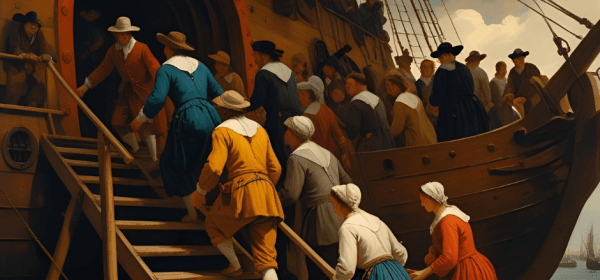
Navigating the 17th Century: Ship Manifests as Genealogical Treasures
For genealogists, 17th-century ship records are windows into the early age of transatlantic migration. Whether documenting Puritan voyages to New England, indentured servants bound for Virginia, or settlers heading to the Caribbean, these records…
-
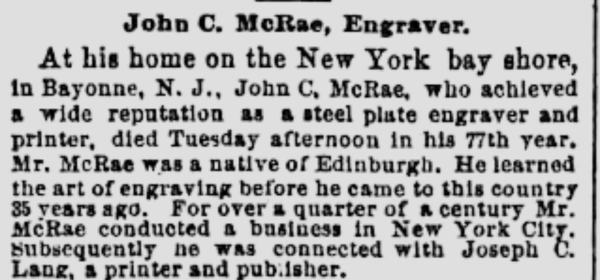
Newspaper Obituaries in the 19th Century
For genealogists, few sources capture the personal side of history like obituaries. By the 19th century, as newspapers flourished across Europe and North America, obituaries became a regular feature—offering not only names and dates…
-

Reading the 19th Century: Handwriting in Genealogical Records
By the 19th century, handwriting underwent another shift. The 1800s introduced styles that were more practical, uniform, and widely taught. For genealogists, this means documents from the 19th century are often more legible—but still…
-
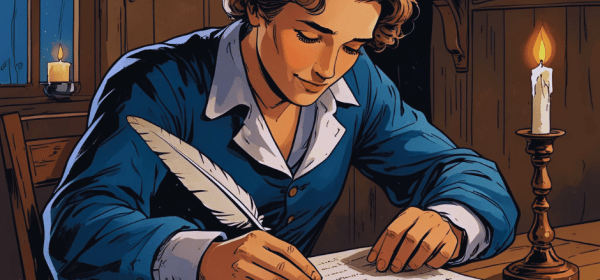
Reading the 18th Century: A Guide to Handwriting in Genealogical Records
By the 18th century, handwriting began to take on a style that is more recognizable to modern readers. Compared to the angular secretary hand of the 1600s, 18th-century scripts often appear smooth and more…
-

Understanding 17th-Century Handwriting for Genealogy
When diving into records from the 1600s, researchers often encounter an unexpected hurdle: handwriting. The 17th century was a transitional era in writing styles, when older medieval scripts gave way to more modern forms.…
-

Tips for Reading Old Manuscripts and Handwriting
For genealogists and historians, old manuscripts are often the richest sources of family history, but reading them can feel like learning a new language. Handwriting styles changed across centuries, and many letters were written…
-

Unlocking Family Histories: How AI Is Breathing New Life into Handwritten Records
For many genealogists, handwritten records are a portal to the past. From parish registers to census rolls, handwritten sources are often the only surviving evidence of our ancestors’ lives. These records may have challenges:…
Designed with WordPress
 South Central Chapter, Association of Professional Genealogists